Address
Chairperson's Welcome
Amol Nirgudkar welcomes you to Enterprise Dental Connect 2027 and sets the scene for two days of discussion.
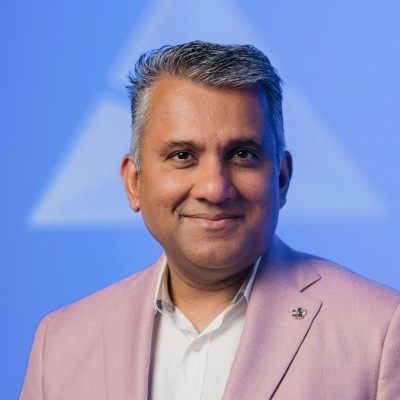 Amol Nirgudkar
What does profitable growth look like for the next generation of dental groups? How can DSOs improve performance across existing locations, make smarter technology investments and navigate an evolving capital market?
The Enterprise Dental Connect agenda brings together the leaders making those decisions, with practical discussions on growth, operations, technology and clinical strategy.
New for 2027, dedicated Oral Surgery & Orthodontics breakouts take these conversations into specialty dentistry, examining the unique challenges of scaling surgical and orthodontic groups alongside the decisions they share.
Amol Nirgudkar welcomes you to Enterprise Dental Connect 2027 and sets the scene for two days of discussion.
Amol Nirgudkar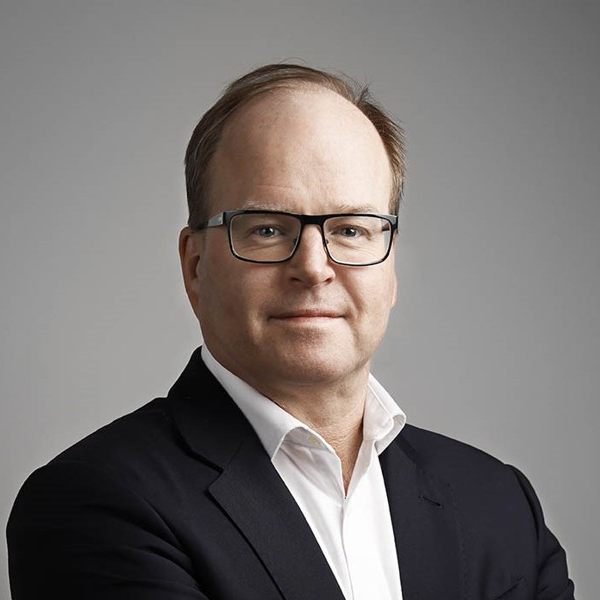 Patrik Eriksson
Centralization promises greater efficiency, stronger oversight and economies of scale. But when does it start getting in the way? DSO leaders compare what they have brought into corporate, what they have returned to the practices and how they are balancing operational consistency with local autonomy.
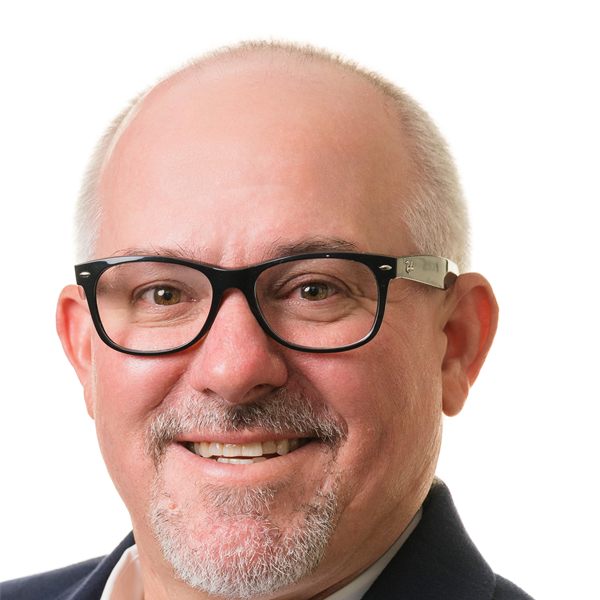 Dave Gaspar
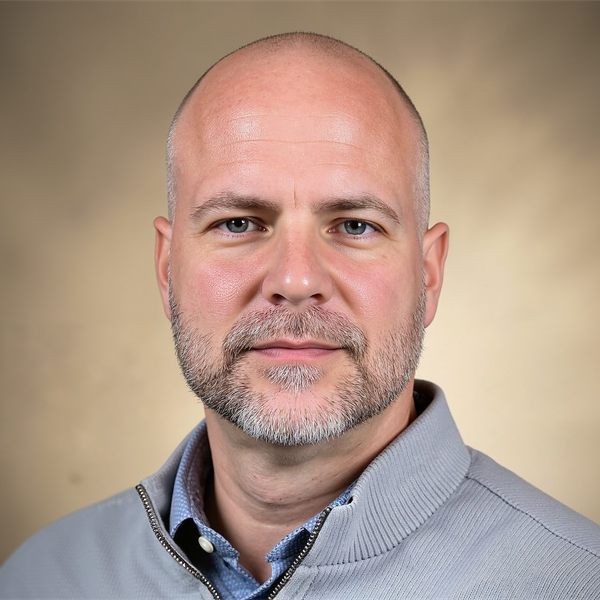 Dr. John Poczatek
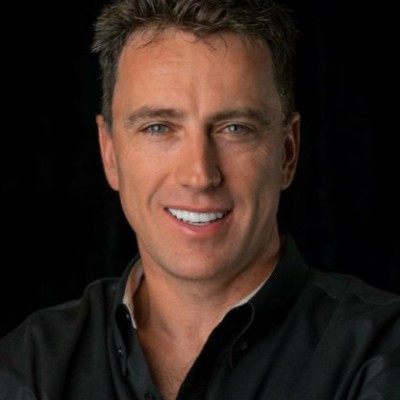 Trevor Maurer
Specialty groups are navigating a new stage of growth, with greater pressure to improve the performance of existing practices while continuing to expand. Where are the strongest opportunities for oral surgery and orthodontics? From organic growth and referral networks to acquisitions, de novos and specialist partnerships, leaders compare the operating models and investments that can deliver sustainable growth.
Acquiring more practices is only one route to growth. Getting more from the existing portfolio is just as important. From patient volume and provider productivity to case acceptance and chair utilization, DSO leaders share the changes making the biggest difference to practice performance and how they are applying those lessons across their groups.
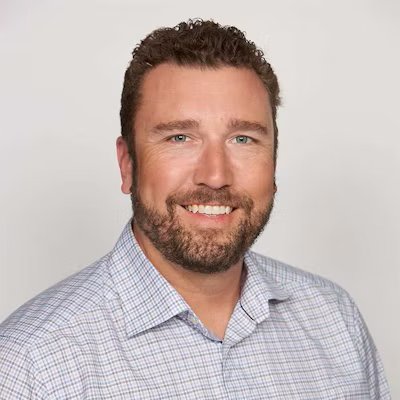 Mike Huffaker · Moderator
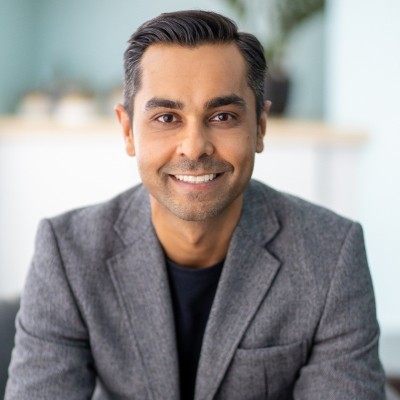 Ashish Bagai
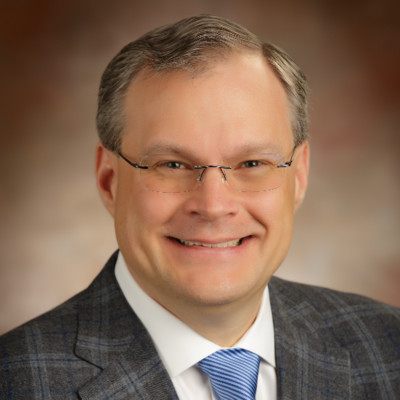 Bill Becknell
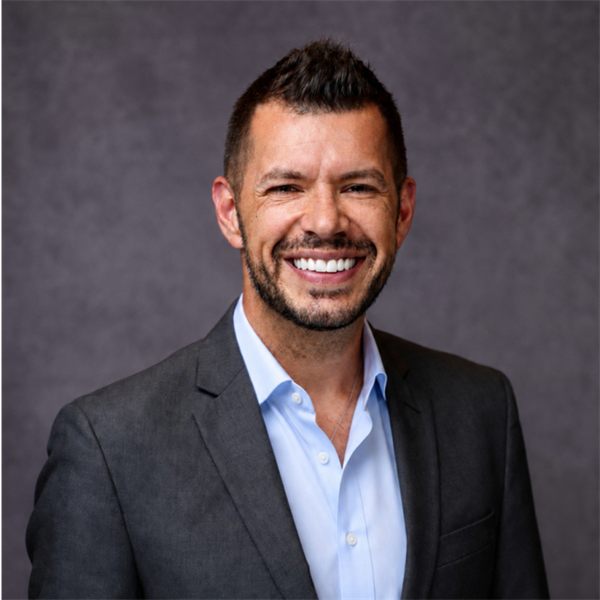 Christopher Johnson
As specialty groups expand, variation in clinical workflows, operating processes and patient experience becomes harder to manage. Which standards should apply across every location, and where should specialist clinicians retain flexibility? Oral surgery and orthodontic leaders compare approaches to clinical governance, practice integration, benchmarking and quality, balancing operational consistency with clinical autonomy.
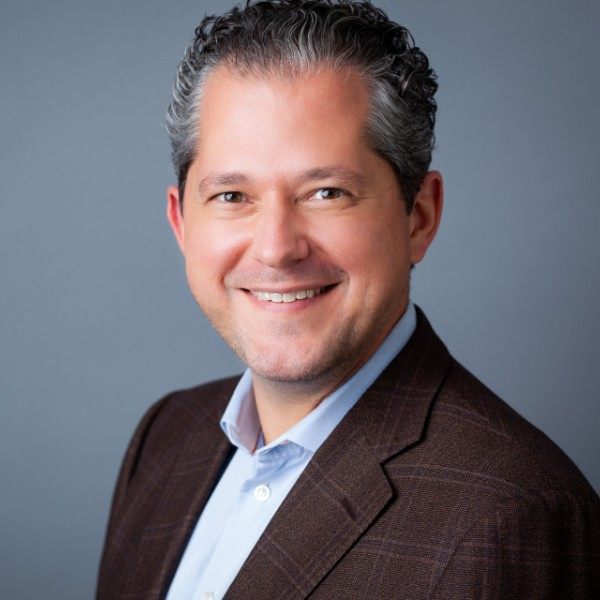 Daniel Hosler
Following their annual private meeting, a selection of leaders from the DSO Power 7 join us on stage to share their insights and perspectives on the industry's biggest challenges and opportunities. Hear what emerged from their discussions, where their priorities align and what they see ahead for enterprise dentistry.
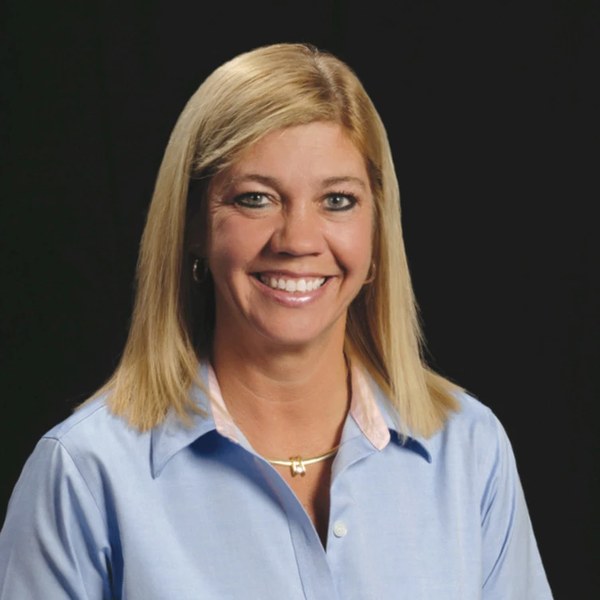 Jeanne Cook · Moderator
Clinical AI promises more consistent diagnoses, stronger patient communication and better treatment decisions. But how much of that promise is translating into everyday practice? DSO leaders share their experiences with clinical AI, where they are seeing meaningful results, and what it takes to earn clinician trust and embed new tools into established workflows without compromising clinical judgement.
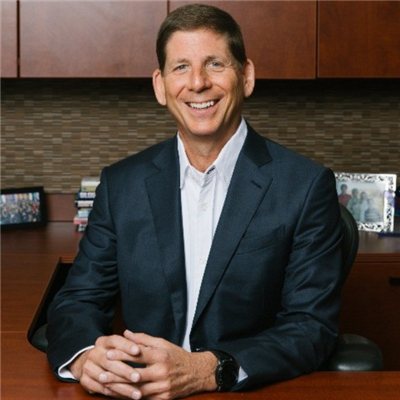 Larry Benz
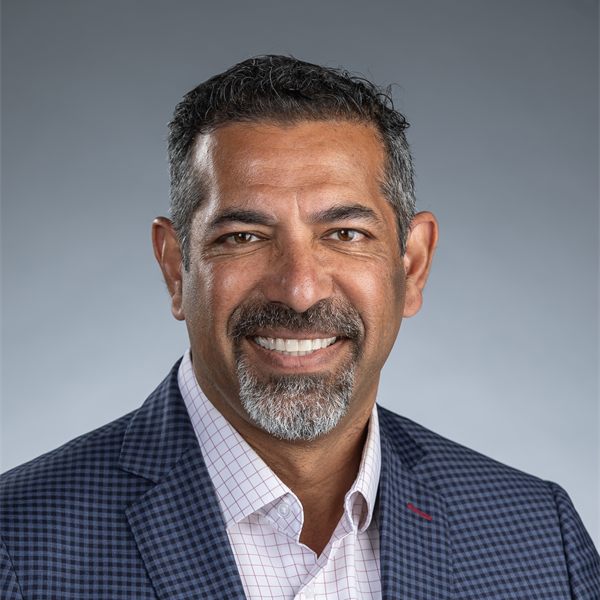 Dr. Sameer Puri
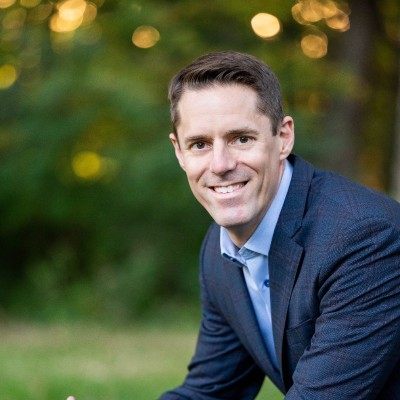 Steve Wright
As DSOs expand, they inherit different PMS platforms, disconnected data and inconsistent reporting, making it harder to maintain visibility across their practices. Should groups consolidate systems or integrate what they already have? Drawing on real implementation experiences, leaders compare how they’re tackling data fragmentation, improving operational visibility and building the foundations for AI and automation at scale.
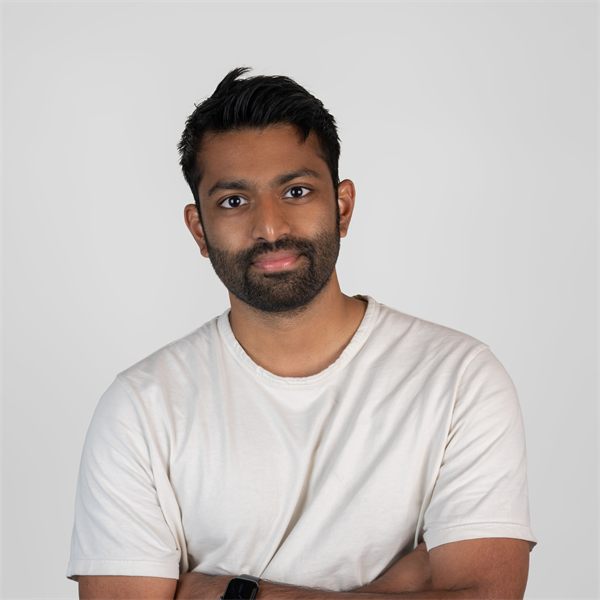 Rohit Chaparala
From AI-assisted treatment planning and surgical navigation to intraoral scanning, remote monitoring and digital manufacturing, technology is transforming both oral surgery and orthodontics. But which applications are delivering measurable value? Leaders compare where digital innovation is improving clinical outcomes, efficiency and profitability, and how to standardize technology across multiple locations without adding unnecessary costs or complexity.
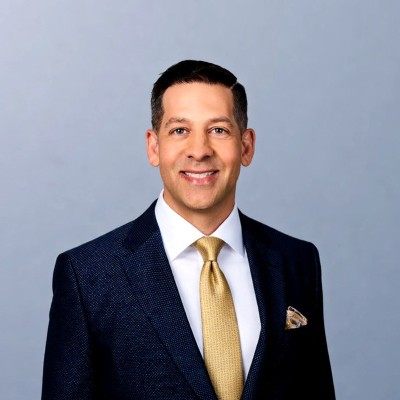 Dr. Mark Haddad
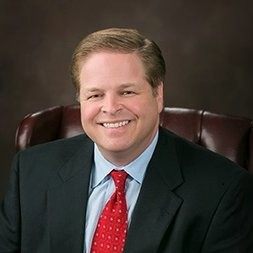 David Skelton
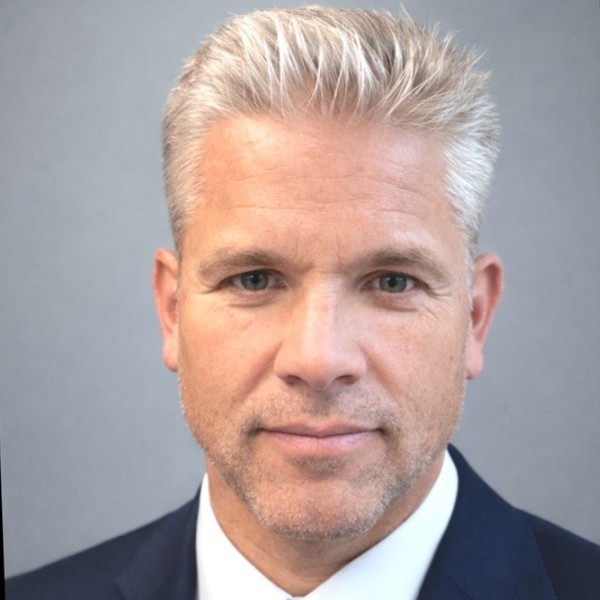 Collins Harrell
Included with your ticket. Join a small group of DSO peers for candid, facilitated discussions on the challenges that matter most to you. Take your pick from the topics below.
Confirmed roundtables
 Rani Ben-DavidFounder & Chief Executive OfficerapZme
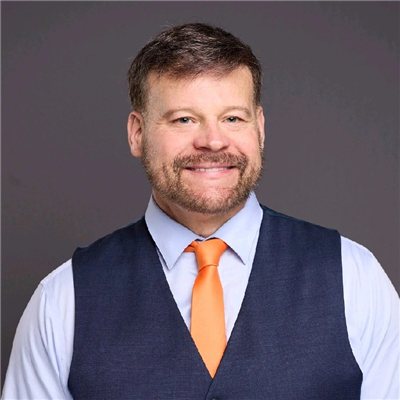 Dr. Mark E. DohertyChief Executive OfficerCommonwealth Mobile Oral Health Services
More facilitators to be announced
Amol Nirgudkar reflects on the day's discussions and introduces the priorities for Day 2.
Amol NirgudkarAmol Nirgudkar opens Day 2 and sets the scene for the final day of discussions.
Amol NirgudkarIncluded with your ticket. Join a small group of DSO peers for candid, facilitated discussions on the challenges that matter most to you. Take your pick from the topics below.
Confirmed roundtables
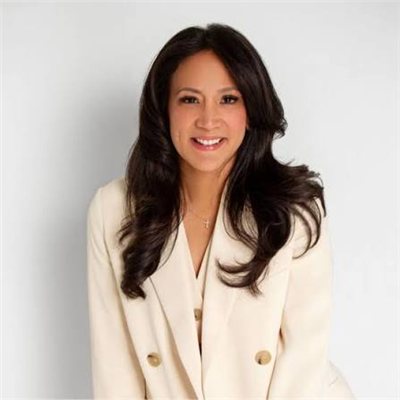 Dr. Valerie V. WooClinical Director, Specialties PlatformLightwave Dental
 Kapil ShuklaFounder & Chief Executive OfficerDental-X AI
More facilitators to be announced
 Kathryn Sievers
Robotics, surgical navigation, regenerative technologies and digital workflows are expanding what's possible in implant dentistry. But which developments justify the cost? A closer look at the technologies that could improve surgical precision, efficiency and patient outcomes, and what OMS groups should consider before introducing them across their practices.
With competition for dentists, hygienists and practice teams remaining intense, recruitment can quickly become a constraint on DSO growth. How are groups finding talent in competitive markets, reducing time-to-hire and building recruitment strategies that can support expansion? Leaders compare the roles of centralized recruitment, local sourcing and external staffing partners.
 Tripp Montalbo
 Nick Khalili
 Aaron Lipton
The next generation of oral surgeons is entering a different employment and ownership landscape. How are expectations around compensation, clinical autonomy, equity and career progression changing? OMS leaders compare the recruitment, partnership and retention models helping them attract surgeons and build clinical teams for long-term growth.
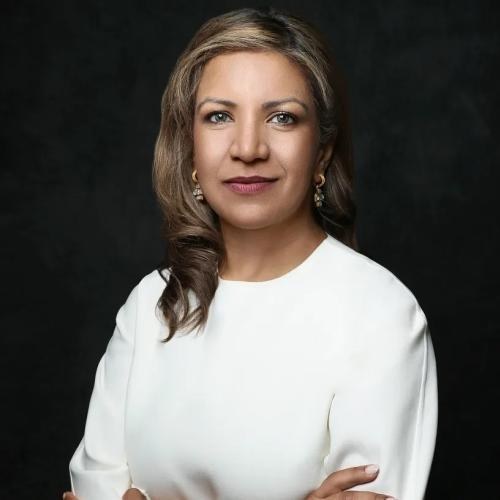 Dr. Aman Kaur · Moderator
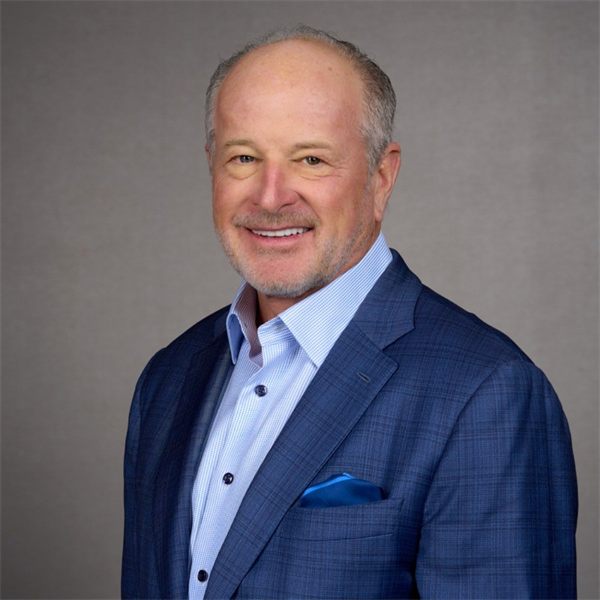 Richard Hall
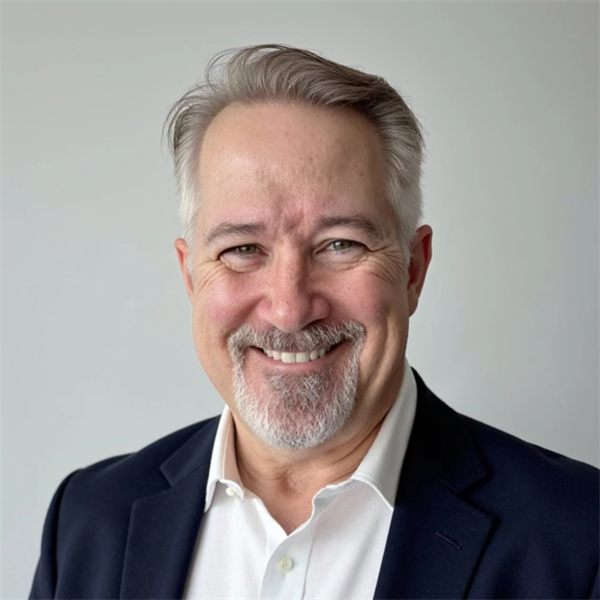 Curtis Swogger
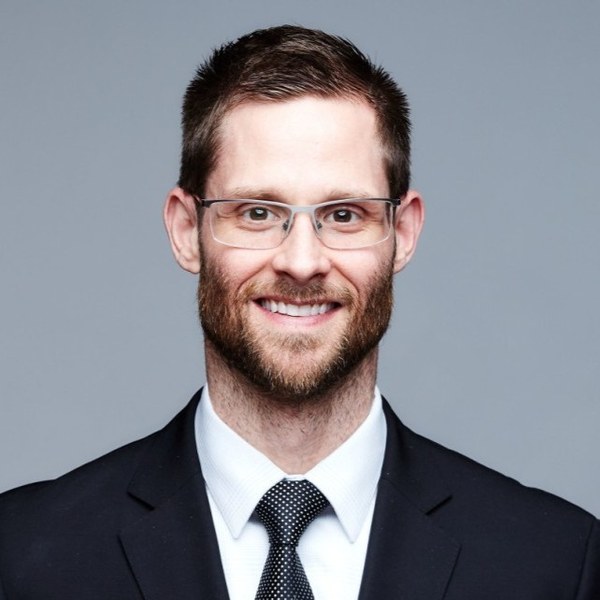 Joshua Everts
As DSOs expand, they need more capable practice managers, regional operators and clinical leaders, not just more employees. How are groups identifying high-potential talent, creating meaningful career pathways and developing their next generation of leaders? From mentorship to succession planning, hear how DSOs are building the leadership capacity to support long-term growth.
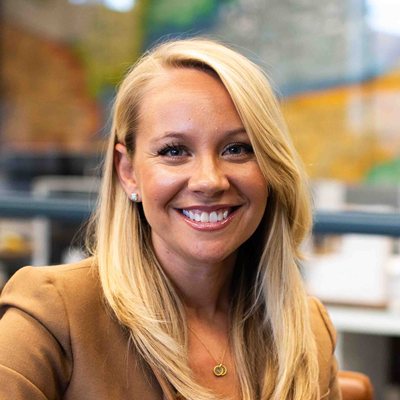 Meredith English
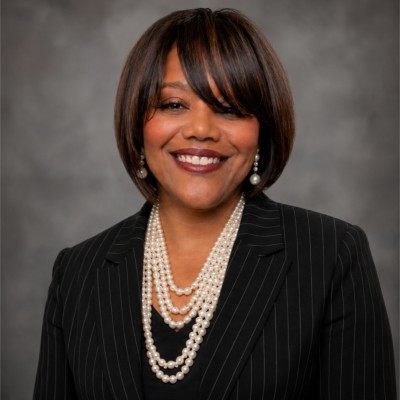 Joycelyn James
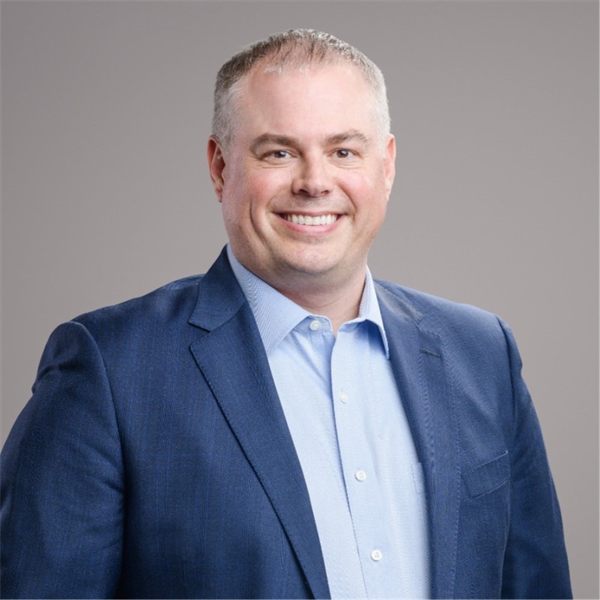 Dr. David Havens
Growth in patient starts does not automatically translate into better margins. From braces and aligner case mix to lab costs, appointment efficiency, provider productivity and treatment timelines, where are orthodontic groups finding the biggest opportunities to improve profitability? Leaders compare the operating and financial decisions that make growth sustainable across multiple locations.
Adding specialty services can keep more treatment within the organization and create new revenue streams, but the economics don't work in every market. From oral surgery and orthodontics to implants and other specialty services, how are DSOs deciding where to expand, whether to build, buy or partner, and how to develop referral pathways that make the investment worthwhile?
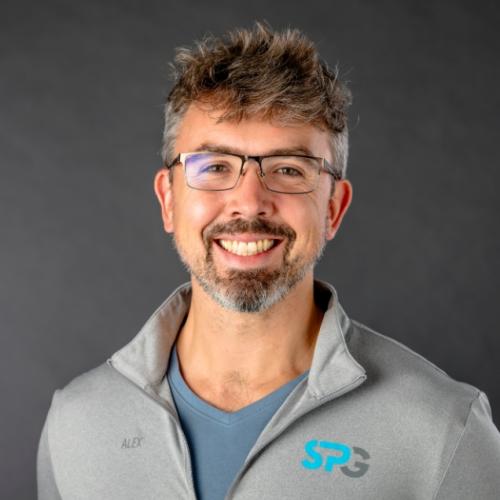 Alex Sharp
 Dr. Jeffrey Burch
 Dr. Sathya Kallur
Orthodontic growth depends on more than generating enquiries. How are groups strengthening referrals from general and pediatric dentists, improving consultation attendance and increasing treatment acceptance? From local marketing and digital patient acquisition to financing and treatment coordination, leaders discuss what is moving the needle on case starts and how to measure performance across multiple locations.
As buyers and lenders become more selective, the fundamentals of a good acquisition matter more than ever. Where are valuations landing, how are deal structures changing and what makes a practice worth acquiring? DSO leaders and transaction advisers compare what they look for in potential deals, from earnings quality and provider retention to financing terms and integration risk.
 James Turcott
 Rutul Barot
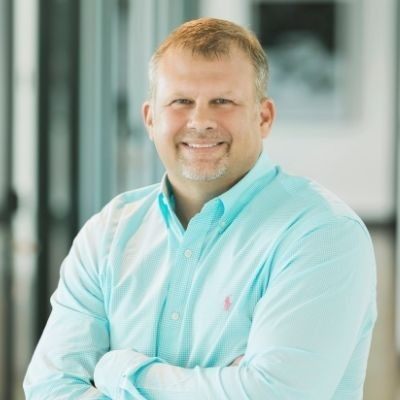 Keith Miller
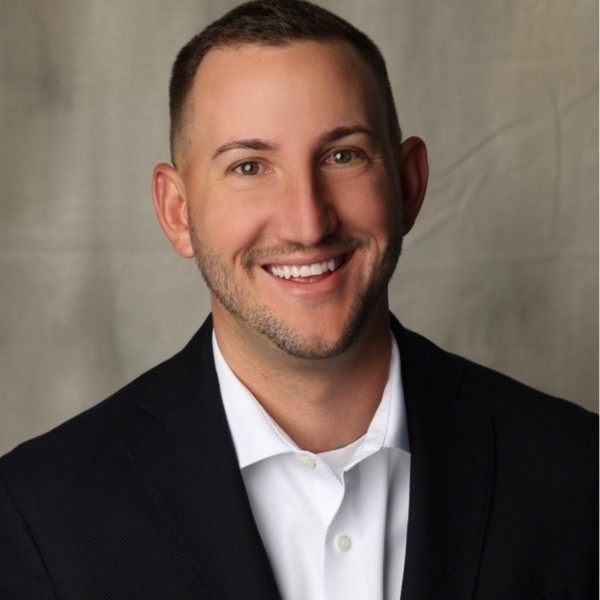 Jonathan Mikailonis
A marketing strategy that delivers in one market can underperform in another. How much should be managed centrally, and where do local teams need flexibility? DSO leaders compare how they allocate spending, respond to local competition and patient demand, and measure performance across practices to make better decisions about where to invest.
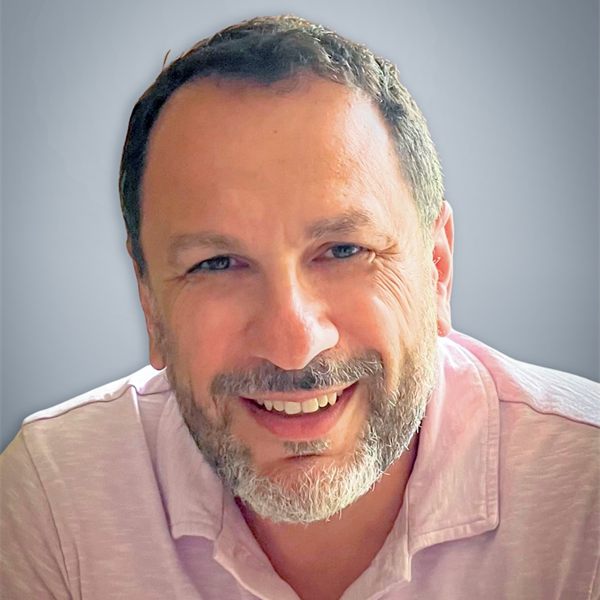 Ryan Torresan
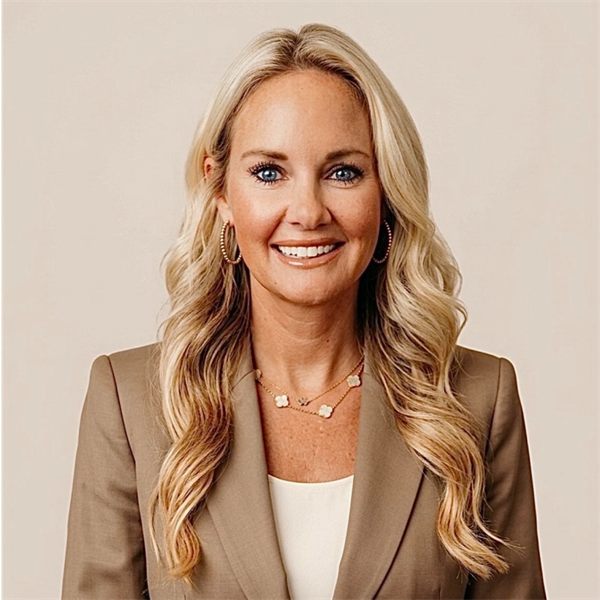 Tracy Ziskovsky
Patient care doesn't end when the procedure is complete, yet postoperative follow-up can vary considerably between practices. How can OMS groups identify complications earlier, improve communication and provide more consistent support throughout recovery? From standardized protocols to digital follow-up and remote monitoring, where can new approaches make the biggest difference?
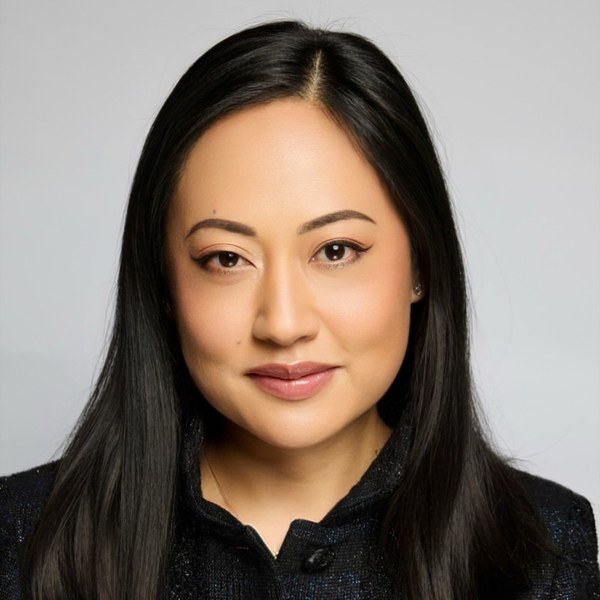 Theresa Wang
Amol Nirgudkar closes Enterprise Dental Connect 2027 with the key takeaways from two days of discussion.
Amol Nirgudkar