Derick Whitley, CEO of TRAVV, shares how strategic AI adoption across operations is allowing them to achieve more with their raised capital than previous generations of startups. From automated coding and brand development to administrative workflows, he reveals which AI applications are delivering the highest ROI for resource-constrained companies and how this operational approach is creating competitive advantage in scaling diagnostics services.
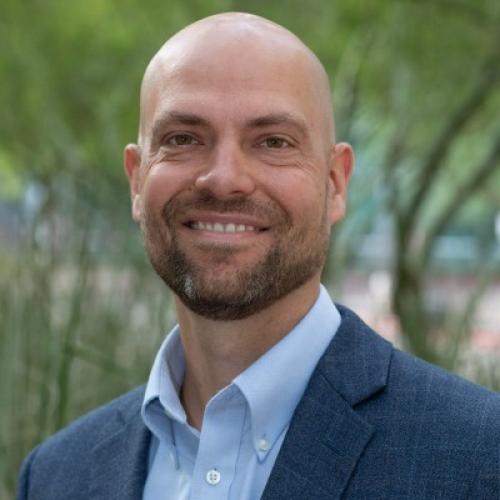
Derick Whitley
Founder and Chief Executive Officer
TRAVV
Cat Health Corp. pursued a non-traditional multi-API drug strategy, overcoming investor resistance and building a faster path to clinic by leveraging existing compounds and novel combinations. This session will explore why unconventional drug models face pushback, how existing molecules can accelerate development timelines, and what founders need to do to bring investors along on non-traditional strategies.

Alexandru Bacita
Founder & Chief Operating Officer
The Cat Health Company
HPAI costs hundreds of millions per outbreak. PRRS circulates persistently through the most biosecure swine systems in the world. The science to prevent both exists. Yet delivering solutions at a commercial scale is limited by challenges in demonstrating ROI and operational capacity.
- How the economics of prevention need to be reframed around visible, near-term financial return rather than disease avoidance alone
- How data, diagnostics, and early detection are shifting biosecurity from reactive to preventive, and what tools are genuinely changing producer behavior
- The role of vaccination and emerging biological tools in building more resilient production systems at commercial scale
- What designing prevention systems for real operational conditions, consolidating herds, untrained workforces, and hostile environments, actually requires
- What collaboration across producers, industry, and regulators needs to look like to make progress at scale
Moderator

Martha Scott Poindexter
Chief Executive Officer
Animal Health Institute
Panelists

Brad White
Director
Beef Cattle Institute

Jamie Jonker
Chief Science Officer and Vice President, Sustainability & Scientific Affairs
National Milk Producers Federation
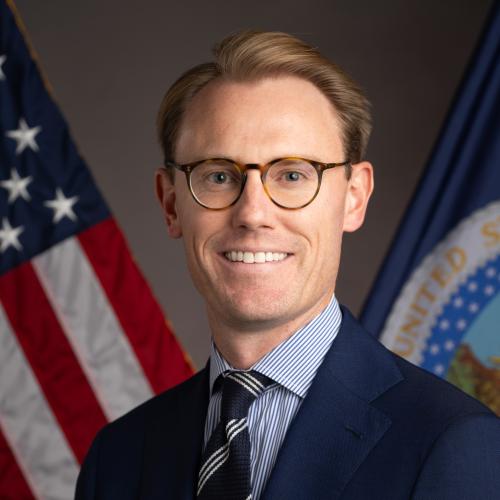
Tyler Clarkson
General Counsel
United States Department of Agriculture (USDA)
Therapeutic nutrition is one of the largest underleveraged opportunities in companion animal care. The evidence base is growing, new data infrastructure is making outcomes measurable for the first time, and pet owner appetite for nutrition-led health solutions is clear. This panel explores what it takes to make nutrition a more integrated, measurable, and commercially sustainable part of clinical practice.
- The evidence base for therapeutic nutrition: where it's strong and where the gaps are
- Using outcomes data to make the clinical case for nutrition recommendations
- Pet owner demand and how practices are, and aren't, meeting it
- Communicating value and price in a category where D2C competition is growing
- What a genuinely integrated nutrition strategy looks like inside a practice
Moderator

Julie Lawless
President
Lawless Strategic Communications
Panelist

Chelsie Estey
Chief Veterinary Officer
Hill's Pet Nutrition

Renee McDougall
Chief Veterinary Officer
Bond Vet
Synthetic data enriches clinical datasets and simulates alternative scientific scenarios through computer-generated subject data, synthetic placebo groups, digital twins, and more. Combined with AI across target identification, trial design, and sample size modeling, a new toolkit is emerging that could shorten the time from idea to decision, and animal health may be better placed than human pharma to use it.
- AI-driven target identification, trial design, and exploration of inclusion criteria
- Synthetic placebo groups, digital twins, and enriching underpowered datasets
- Real-world evidence and PIMS data as a development input
- Addressing small, fragmented datasets in guiding product development decisions
- Replacing, reducing and refining animal use through computational approaches
Moderator

Joseph Harvey
Head of Animal Health
S&P Global
Panelists
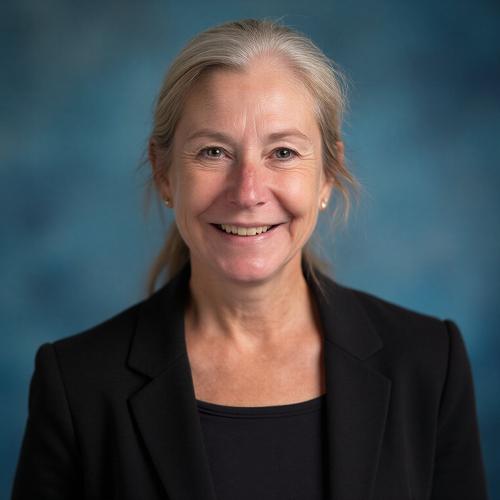
Margie Bell
Principal Biostatistician
Clindata
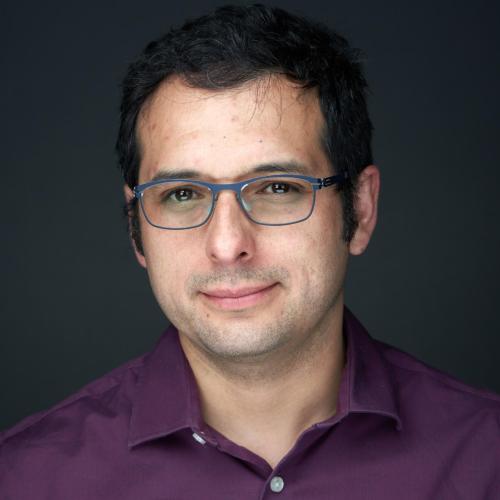
Germán Plata
Senior Director & Lead Scientist
BiomEdit

Chris Pinard
Medical Oncologist & Clinician Scientist
Toronto Animal Cancer Centre, CEO of ANI.ML